Top Tips for Basement Design Planning Tips

Renovating a basement can transform an underused space into a valuable part of your home. It requires careful planning and execution to ensure the final result meets your needs and adds value. I have gathered practical advice to help you navigate the process efficiently. These tips focus on design, functionality, and cost management to guide you through your basement renovation project.
Effective Basement Design Planning Tips
Start with a clear plan. Define the purpose of your basement space. Will it be a family room, home office, gym, or guest suite? Knowing the function helps determine layout, lighting, and materials. Consider these points:
Layout: Plan zones for different activities. For example, a seating area separate from a workspace.
Lighting: Basements often lack natural light. Use layered lighting with ceiling fixtures, wall sconces, and lamps.
Moisture control: Address any dampness or leaks before finishing. Use vapor barriers and proper insulation.
Ceiling height: Check local codes for minimum height requirements. Use drop ceilings or drywall ceilings depending on access needs.
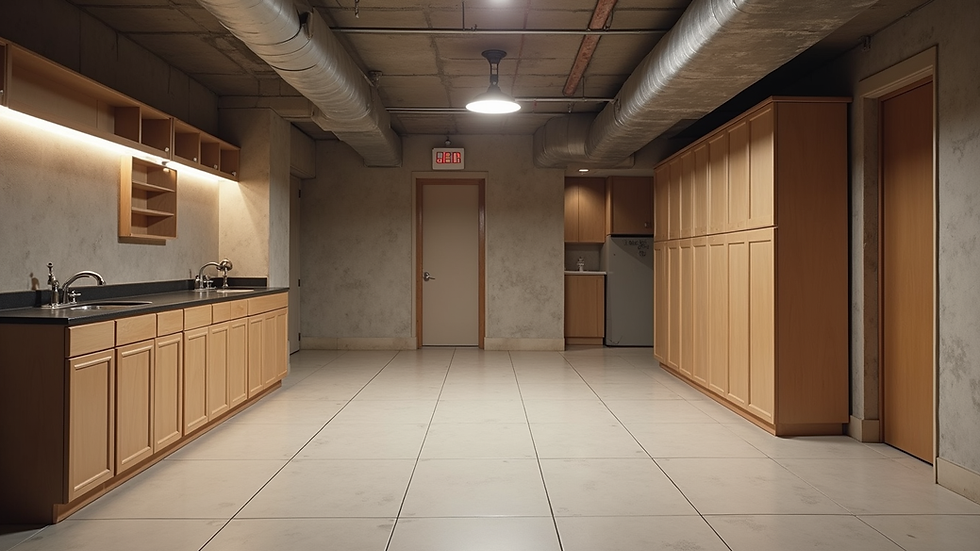
Storage: Incorporate built-in shelves or closets to maximize space.
A well-thought-out plan reduces costly changes during construction. It also ensures the basement complements the rest of your home.

Choosing Materials and Finishes Wisely
Material selection impacts durability, maintenance, and aesthetics. Basements face unique challenges like moisture and lower temperatures. Choose materials that withstand these conditions:
Flooring: Opt for water-resistant options such as vinyl plank, tile, or sealed concrete. Avoid hardwood unless properly treated.
Walls: Use moisture-resistant drywall or cement board. Paint with mold-resistant paint.
Ceilings: Consider drop ceilings for easy access to pipes and wiring. Use moisture-resistant tiles.
Insulation: Use foam board or spray foam insulation to prevent moisture and improve energy efficiency.
Select finishes that balance style and practicality. Neutral colors create a bright, open feel. Textured finishes can hide imperfections common in basements.
What is the Most Expensive Part of Finishing a Basement?
Understanding cost drivers helps you budget effectively. The most expensive part of finishing a basement is usually framing and drywall installation. This includes building walls, ceilings, and partitions. Labor and materials for framing, drywall, mudding, and sanding add up quickly.
Other significant costs include:
Electrical work: Adding outlets, lighting, and wiring for appliances.
Plumbing: Installing bathrooms or wet bars requires extensive plumbing.
HVAC: Extending heating and cooling systems to the basement.
Flooring: High-quality or custom flooring can increase expenses.
To control costs, get multiple quotes and prioritize essential features. Consider doing some finishing work yourself if you have the skills.
Maximizing Space and Functionality
Basements often have awkward layouts or low ceilings. Use design strategies to maximize usable space:
Open floor plans: Minimize walls to create a spacious feel.
Multi-purpose furniture: Use fold-out sofas, storage ottomans, or wall beds.
Built-in storage: Custom shelves and cabinets save floor space.
Mirrors: Strategically placed mirrors reflect light and enlarge the room visually.
Color schemes: Light colors make the space feel larger and more inviting.
Plan for adequate electrical outlets and data connections to support modern technology needs. Consider soundproofing if the basement will be a media room or office.
Hiring Professionals and Managing the Project
A successful basement renovation depends on skilled professionals. Hire licensed contractors with experience in basement projects. Check references and review past work. Clear communication is essential:
Set expectations: Define scope, timeline, and budget upfront.
Regular updates: Schedule progress meetings or calls.
Permits: Ensure all necessary permits are obtained before work begins.
Inspections: Arrange for inspections at key stages to comply with local codes.
Managing the project closely helps avoid delays and cost overruns. Keep a contingency fund for unexpected issues.
Final Thoughts on Basement Design Planning Tips
A basement renovation can add significant value and functionality to your home. Careful planning, smart material choices, and professional execution are key. Focus on moisture control, lighting, and maximizing space. Understand the major cost components and manage your budget accordingly.
If you want expert help with your project, consider working with a trusted local company specializing in basement renovation design. Their experience ensures quality craftsmanship and personalized service tailored to your needs.
By following these tips, you can create a basement that enhances your home and lifestyle for years to come.

Comments